Pain Point
Weak identity verification at card application is a compliance gap and a fraud exposure at the same time — for an issuer, they're the same problem.
Synthetic identities — real data fragments combined into a fabricated whole — can pass a document-only check and go on to obtain a card that then gets used for fraud or structuring.
A card issued to an unverified or stolen identity is invisible to every fraud-scoring and AML system running afterward, since those systems are evaluating an identity that was never actually confirmed.
Card application fraud compounds fast: an issuer that doesn't catch a synthetic identity at application inherits the fraud losses and AML exposure that identity generates for the life of the card.
Id verification software that doesn't include genuine liveness detection is defeated by exactly the kind of doctored-photo methods that have opened fraudulent accounts elsewhere in 2026.
For an issuer, the identity verification decision at application is the highest-leverage compliance decision in the entire card lifecycle — everything after it depends on getting this one right.
How It Works
Identity verification for card issuers has to confirm the applicant is real before the card exists:
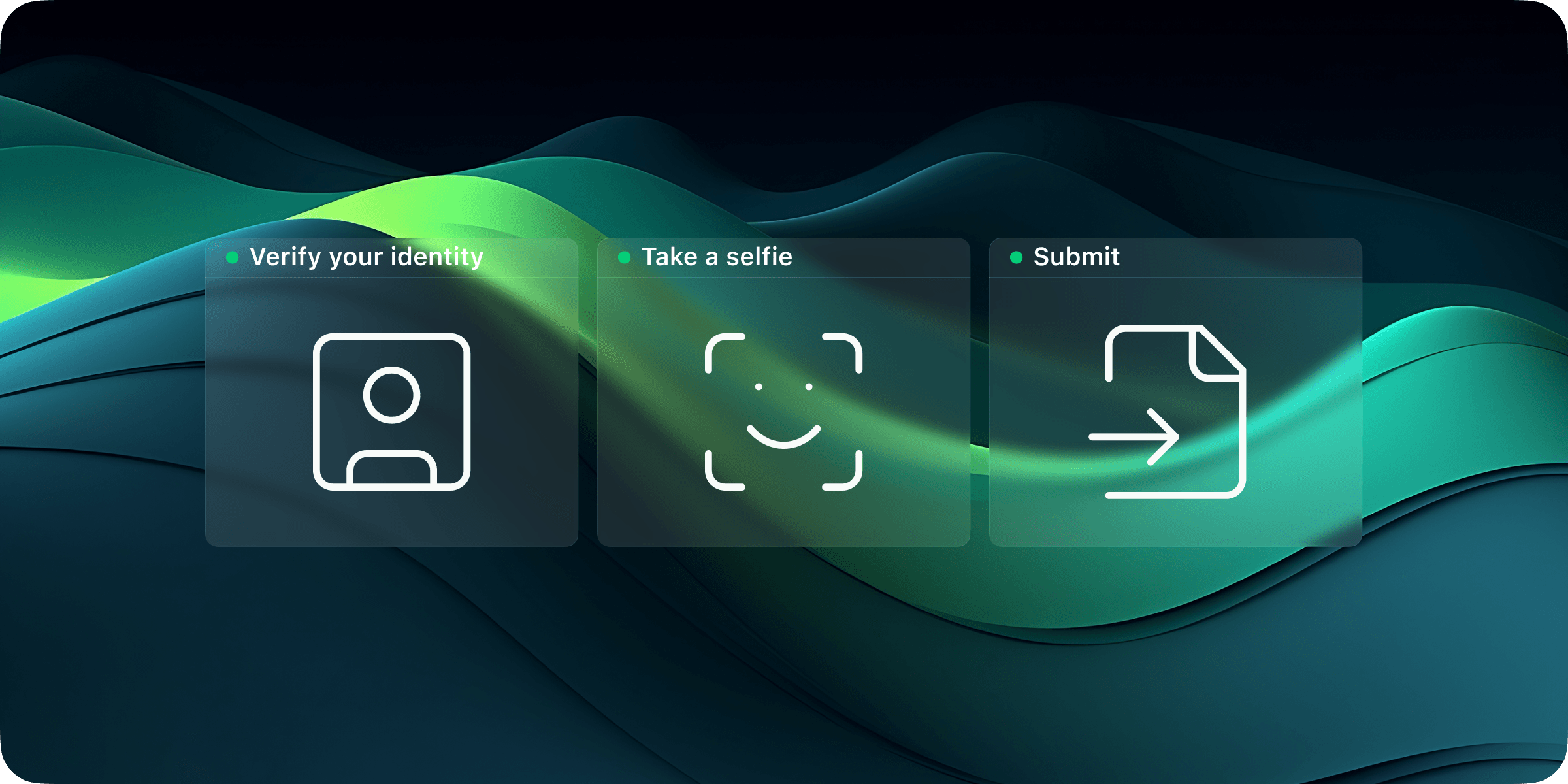
Document verification software and id verification software authenticating the application document, not just capturing an image of it.
Liveness detection software — id with liveness — confirming a live, present applicant, closing the gap a photo-only or document-only check leaves open.
Fake id detection and detecting fake ids tuned to synthetic identity patterns, since these combine real and fabricated data rather than presenting an obviously forged document.
An onboarding questionnaire capturing income and employment data verified against the confirmed identity, supporting both underwriting and AML risk assessment.
This is the one point in the card lifecycle where verification happens once and every subsequent decision inherits its accuracy — which is exactly why it carries more weight than a single onboarding step usually would.
False Positives
An issuer that rejects applicants over minor document or lighting inconsistencies loses exactly the customers card products are built to serve — and a declined applicant rarely reapplies, they get a card from a competitor instead. The case for rigorous identity verification is catching synthetic identities specifically, not making every application harder to pass.
Business Impact
Fewer cards issued to synthetic or unverified identities, reducing downstream fraud and AML exposure for the life of each card.
Fraud scoring and AML monitoring built on confirmed identities instead of unverified applications.
Reduced structuring and mule-account risk traced back to weak application-stage verification.
Higher approval rates for genuinely qualified applicants, since precision protects growth alongside risk control.
How Finchecker Solves It
Finchecker's identity verification confirms a real, live applicant at card application through document authentication and genuine liveness detection — the single verification decision every downstream fraud and AML control an issuer runs depends on getting right.
Get the one verification decision that matters most right, at application. Talk to Finchecker about identity verification for card issuers.