Pain Point
The scale of automated deception on dating platforms is now measured in millions of messages, not isolated incidents.
An investigation published in September 2026 by Anthropic and independent researchers uncovered a network of roughly 28 apps running more than 4,700 fabricated AI personas that engaged at least 25,000 real people through about 2.36 million messages in a single two-week window — with three-quarters of the conversations generated by a large language model.
The FTC reported Americans lost $1.16 billion to romance scams in just the first nine months of 2025, with a median loss of $2,218 per victim — and cryptocurrency was the largest single payment method by dollar volume.
Pew Research found 52% of US dating app users believe they've encountered a scammer or catfish, rising to 62% among people who've used a dating app recently.
Nearly all of this depends on one thing: a profile photo or a brief conversation is treated as sufficient evidence that a real, consistent person is behind it.
A platform that verifies age with a self-reported birthdate and verifies identity with nothing more than a profile photo is defending against 2026's scale of automated deception with 2015's tools.
How It Works — The 7-Step Process
Identity and age verification for a dating or adult platform runs through seven steps, most of which never make it into a typical signup flow:
Data submission — the user provides basic profile information — the starting point, not the verification itself.
Document capture and authentication — age verification software checks a government-issued ID for authenticity and a genuine date of birth, rather than accepting a self-reported age at face value.
Data cross-check — the document's stated identity and age are matched against what the user submitted at signup.
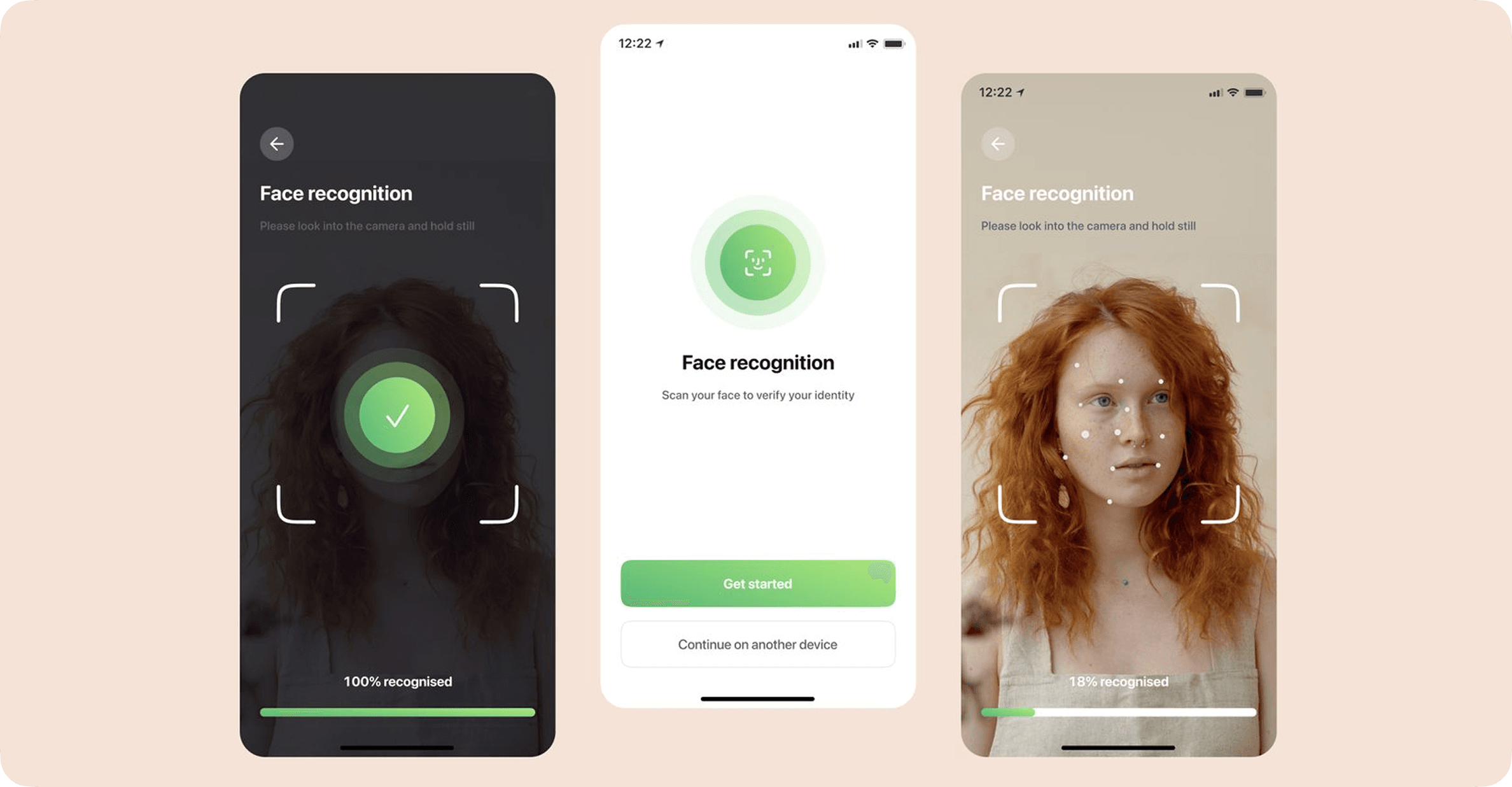
Biometric liveness and injection-attack detection — id with liveness confirms a real, live person matches the document — the layer that distinguishes an actual user from a stock photo, a stolen image, or an AI-generated persona.
Risk signal enrichment — device and behavioral signals flag accounts showing automated messaging patterns, device sharing across supposedly unrelated profiles, or other signatures consistent with a coordinated persona network rather than an individual user.
Automated decisioning — verified profiles proceed normally; flagged ones route to review before they can message at scale.
Ongoing re-verification — video verification software supports periodic or triggered re-checks, since a profile that was genuinely a person at signup can still be repurposed or automated afterward.
Step 4 is the one the September 2026 investigation's entire network depended on never existing — 4,700 fabricated personas rely on nobody ever confirming a live person is actually behind the profile photo.
False Positives
A verification process that's too intrusive drives away exactly the genuine users a dating platform depends on — nobody wants ID verification to feel like a background check. The right balance is verification proportionate to risk: lightweight checks for browsing, stronger identity and liveness confirmation before messaging or meeting features unlock.
Business Impact
Reduced exposure to large-scale automated persona networks, the specific pattern a September 2026 investigation documented at scale.
Genuine age verification backed by a document, not a self-reported birthdate.
Reduced romance-scam exposure for users, addressing a pattern the FTC put at $1.16 billion in nine months of 2025.
A defensible verification process as age-assurance regulation tightens across multiple jurisdictions.
How Finchecker Solves It
Finchecker's age verification software combines document authentication, genuine liveness detection, and behavioral risk signals to confirm a real, of-age, live person behind every profile — built to catch the coordinated automated-persona pattern a 2026 investigation found operating at scale, not just an individual bad actor.
Confirm a real person is behind every profile, not just a photo. Talk to Finchecker about identity and age verification for dating and adult platforms.